
How SEO helps, consumers rely heavily on search engines to find products, services, and information. Whether someone is looking for a nearby restaurant, a digital marketing agency, or answers to a specific question, their journey often begins with a search on Google .Understanding how SEO helps businesses attract customers and build a strong online presence has become increasingly important as competition in the digital space continues to grow.
What is SEO?
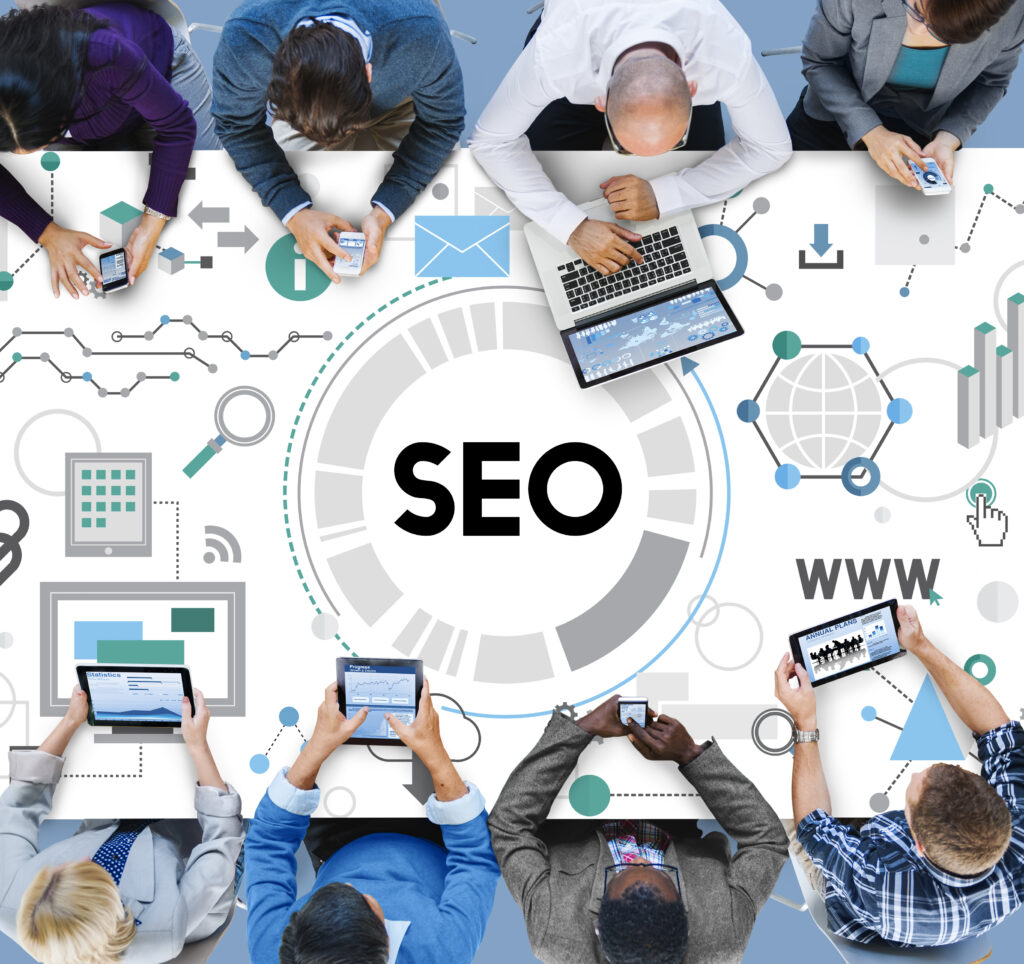
SEO (Search Engine Optimization) is the practice of improving a website’s visibility in search engine results pages (SERPs). It involves optimizing various elements of a website to help search engines understand its content and determine its relevance to users’ search queries.The primary aim of SEO is to improve a website’s visibility in organic search results, attracting visitors without the need for paid advertising.
When implemented effectively, SEO helps businesses connect with their target audience at the exact moment they are searching for relevant information, products, or services.This demonstrates how SEO helps businesses reach potential customers when they are most likely to take action.
How SEO Helps
How Do Search Engines Work?
Google uses automated crawlers to explore websites, evaluate their content, and organize information so users can find the most relevant search results.
When a user enters a search query, search engines evaluate thousands of indexed pages and rank them based on factors such as:
- Relevance to the search query
- Content quality and usefulness
- Website speed and performance
- Mobile-friendliness
- User experience
- Website authority and credibility
- Security and trustworthiness
The websites that best meet these criteria are displayed higher in search results.
How SEO Helps Business Grow: Key Benefits
1. Improves Online Visibility
A well-optimized website has a greater chance of appearing on the first page of search results. Since most users rarely look beyond the first page, higher rankings can significantly increase your visibility.
Greater visibility means:
More website visits
Increased brand awareness
Better opportunities to attract potential customers
2. Drives High-Quality Traffic
SEO helps businesses reach people who are actively searching for their products or services. Unlike traditional advertising, which targets broad audiences, SEO focuses on user intent.
For example, someone searching for “best digital marketing agency near me” is already interested in finding a service provider. This makes SEO-generated traffic more valuable and more likely to convert.
3. Builds Trust and Credibility
Users often perceive websites that rank higher on Google as more trustworthy and authoritative.
SEO contributes to credibility through:
- High-quality content
- Secure websites (HTTPS)
- Positive user experience
- Relevant backlinks from reputable sources
- Consistent brand presence
- Establishing trust is essential for building long-term customer relationships.
4. Provides Long-Term Results
Paid advertising can generate immediate visibility and traffic, but its benefits often end when the campaign budget is no longer available.
SEO, on the other hand, is a long-term investment. High-quality content and strong optimization efforts can continue attracting visitors for months or even years.
Although SEO requires patience, its long-term benefits often outweigh the initial effort.
5. Enhances User Experience
Google gives preference to websites that provide visitors with a fast, accessible, and user-friendly experience. As a result, SEO encourages businesses to improve several aspects of their websites, including:
- Faster page loading speeds
- Mobile responsiveness
- Clear website navigation
- Easy-to-read content
- Improved accessibility
A positive user experience not only boosts rankings but also increases customer satisfaction.
6. Supports Local Businesses
Local SEO enables businesses to attract nearby customers searching for products or services in their area.
Examples include searches like:
“coffee shop near me”
“digital marketer in Kerala”
“best salon in Kochi”
Optimizing for local searches can help businesses generate foot traffic, phone calls, and local leads.
7. Delivers Cost-Effective Marketing
Compared to many traditional marketing methods, SEO offers a relatively high return on investment.
Benefits include:
- No direct payment for each website click
- Continuous traffic generation
- Sustainable online growth
- Reduced dependence on paid advertising
For small and medium-sized businesses, SEO offers a cost-effective path to increasing online visibility, attracting the right audience, and achieving steady growth over time.
8. Helps Businesses Stay Competitive
Many businesses are already investing in SEO. Companies that ignore SEO risk losing visibility to competitors who are optimizing their online presence.
A strong SEO strategy can help businesses:
- Capture larger market share
- Reach new audiences
- Strengthen their digital presence
- Maintain a competitive advantage
The benefits discussed above clearly show how SEO helps businesses improve visibility, attract qualified traffic, and build long-term credibility online.
Types of SEO
On-Page SEO
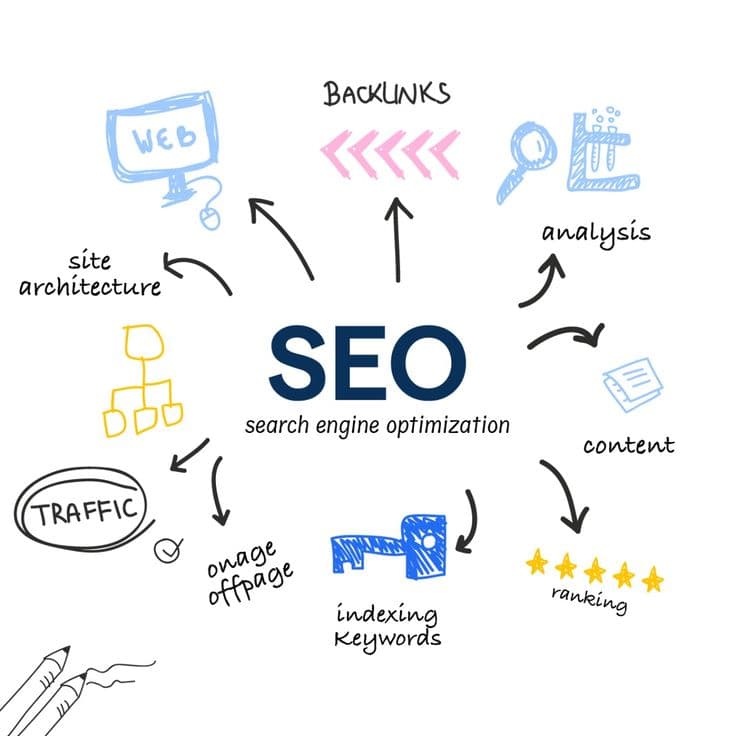
By optimizing the content and technical elements on each page, on-page SEO helps improve a website’s overall performance in search results.
Examples include:
- Title tags
- Meta descriptions
- Header tags
- Keyword optimization
- Internal linking
- Image optimization
- Content quality
Off-Page SEO
Off-page SEO involves external strategies that help enhance a website’s credibility, authority, and overall reputation in search engines.
These include:
- Link building
- Guest blogging
- Brand mentions
- Social sharing
- Online reputation management
Technical SEO
Technical SEO focuses on optimizing a website’s backend structure to help search engines crawl, understand, and index its pages more effectively.
Important factors include:
- Website speed
- Mobile-friendliness
- XML sitemaps
- Structured data
- Secure connections (HTTPS)
- Fixing broken links
Local SEO
Another example of how SEO helps businesses is through local SEO, which increases visibility among nearby customers searching for relevant products or services..
Key strategies include:
- Optimizing business profiles
- Collecting customer reviews
- Maintaining consistent contact information
- Using local keywords
- Essential Components of an Effective SEO Strategy
- Keyword Research
- Keyword research involves identifying the search terms people use to find information online.
- Choosing the right keywords helps businesses create content that aligns with user interests and search intent.
Content Creation
- content is the one of the most important aspect of SEO
- Businesses should focus on creating:
- Blog posts
- Guides
- Case studies
- FAQs
- Educational resources
- Useful and informative content encourages engagement and improves search rankings.
- Link Building
- Backlinks from authoritative websites act as signals of trust and credibility.
- Quality backlinks can positively influence search engine rankings and increase referral traffic.
- Performance Monitoring
- SEO requires continuous monitoring and improvement.
Businesses should regularly analyze:
- Organic traffic trends
- Keyword rankings
- Bounce rates
- Conversion rates
- User behavior
- Data-driven decisions lead to stronger SEO performance over time.
Common SEO Mistakes to Avoid
- Ignoring mobile optimization
- Using irrelevant keywords excessively
- Publishing low-quality content
- Neglecting technical issues
- Failing to update old content
- Overlooking local SEO opportunities
If you want any services, contact me
Conclusion
Understanding how SEO helps businesses is essential in today’s competitive digital landscape. From improving online visibility and driving high-quality traffic to enhancing user experience and building credibility, SEO offers numerous long-term benefits. By implementing effective SEO strategies, businesses can strengthen their online presence, attract the right audience, and achieve sustainable growth. Investing in SEO is not just about ranking higher in search results—it is about creating meaningful connections with customers and staying competitive in an increasingly digital world.