
Artificial Intelligence (AI) has evolved from an emerging technology into a powerful tool that is transforming the digital landscape, including the way businesses approach marketing. From voice assistants and recommendation systems to automated customer support, AI is reshaping the way businesses operate. One area experiencing significant change is digital marketing. As consumer expectations continue to evolve, marketers are increasingly relying on AI-powered tools to deliver personalized experiences, improve efficiency, and make data-driven decisions.
In today’s competitive digital landscape, understanding the impact of AI on digital marketing is essential for businesses seeking to stay ahead. AI is no longer a futuristic concept; it is a practical tool that helps brands connect with their audiences more effectively. The impact of AI on digital marketing continues to shape how businesses engage with customers and remain competitive in the digital age.
The Impact of AI on Digital Marketing
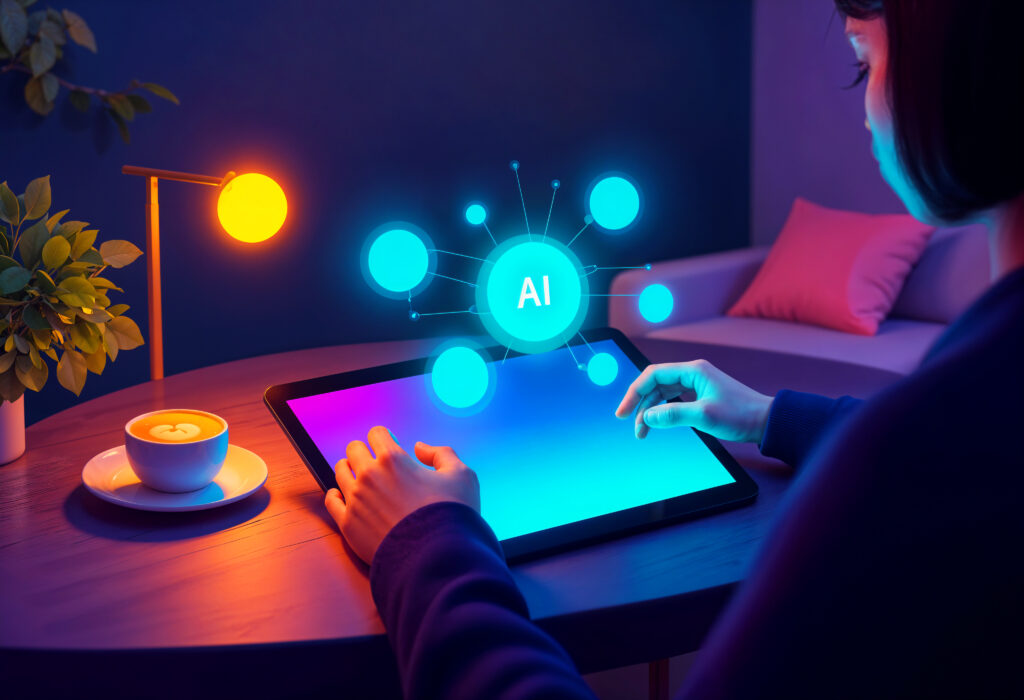
Artificial Intelligence in digital marketing refers to the use of machine learning, data analysis, and automation technologies to enhance marketing activities. AI systems can analyze large volumes of data, identify patterns, predict customer behavior, and automate repetitive tasks.
By using AI, marketers can gain valuable insights into customer preferences and create more targeted campaigns. By doing so, businesses create more meaningful customer interactions that contribute to overall growth and success.
How AI Is Transforming Digital Marketing
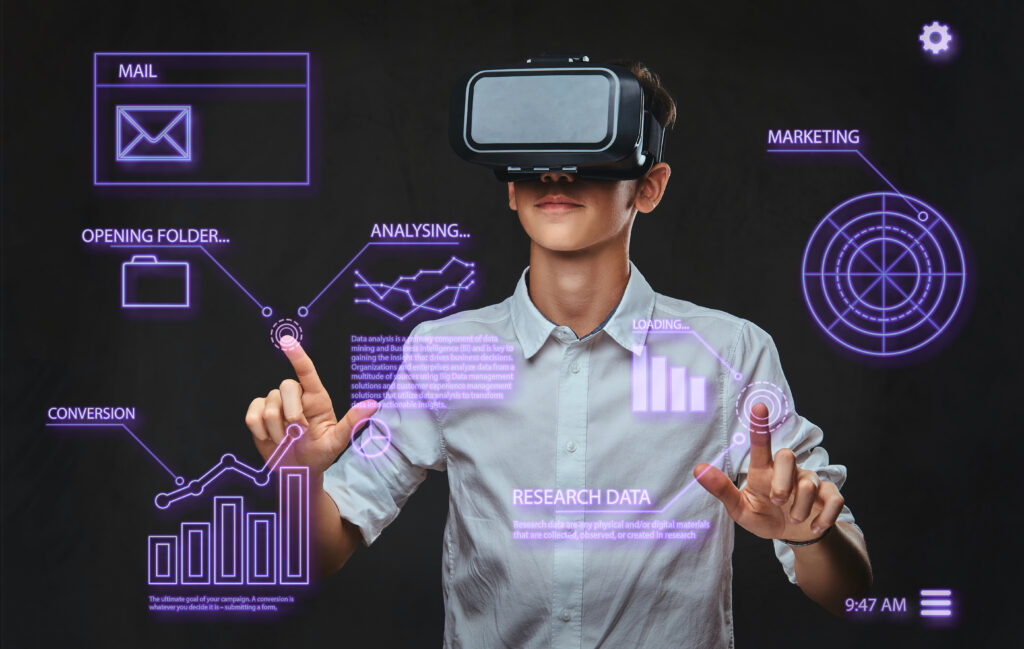
- Personalized Customer Experiences
One of the most valuable contributions of AI to digital marketing is its ability to deliver personalized experiences. Today’s consumers expect brands to understand their preferences and provide content that is timely, relevant, and tailored to their needs.
AI analyzes customer data such as browsing history, purchase behavior, and online interactions to recommend products, suggest content, and deliver personalized emails. This level of personalization helps businesses build stronger relationships with their audiences and improve customer satisfaction.
For example, e-commerce websites often use AI-powered recommendation engines to suggest products that align with a customer’s interests.
- Improved Data Analysis
Digital campaigns produce a constant flow of data, and extracting meaningful insights manually is often a demanding task.
AI tools can process and interpret data quickly, helping marketers identify trends and gain actionable insights. Businesses can understand what strategies are working, which channels perform best, and how customers engage with their content.
This enables marketers to make informed decisions and optimize campaigns for better performance. This aspect highlights the impact of AI on digital marketing, as businesses can use data-driven insights to refine their strategies and achieve better outcomes.
- Enhanced Customer Service Through Chatbots
AI-powered chatbots have revolutionized customer service. These virtual assistants can answer frequently asked questions, provide product information, and assist users at any time of the day.
Chatbots improve response times and enhance customer experiences by offering immediate support. They also reduce the workload of customer service teams, allowing them to focus on more complex issues.
As chatbot technology continues to advance, businesses can provide more natural and meaningful interactions with customers.
- Smarter Content Creation and Optimization
Content remains a critical component of digital marketing. AI tools are increasingly being used to support content creation and optimization efforts.
Marketers can use AI to generate topic ideas, identify trending keywords, analyze content performance, and improve readability. These insights help businesses create content that resonates with their target audiences.
While human creativity is still essential, AI serves as a valuable assistant in streamlining the content development process.
- Better Targeted Advertising
AI has transformed online advertising by improving audience targeting and campaign optimization.
Advertising platforms use AI algorithms to analyze user behavior and display relevant advertisements to the right people at the right time. This increases the likelihood of engagement and conversions.
AI also helps marketers optimize bidding strategies, allocate budgets efficiently, and improve return on investment (ROI) for paid campaigns.
- Predictive Analytics for Better Decision-Making
Through predictive analytics, AI can uncover patterns in past data and provide valuable forecasts about upcoming customer trends and behaviors.
Businesses can use predictive insights to anticipate customer needs, identify potential opportunities, and develop proactive marketing strategies.
For example, AI may predict which customers are most likely to make a purchase or which products may become popular during specific seasons.
- Email Marketing Automation
Email marketing continues to be an effective digital marketing strategy, and AI has enhanced its capabilities.
AI tools can determine the best times to send emails, personalize subject lines, segment audiences, and recommend relevant content.
These improvements help increase open rates, click-through rates, and overall campaign effectiveness.
- Voice Search Optimization
The growing popularity of voice assistants has changed the way people search for information online.
Consumers increasingly use voice commands to find products, services, and answers to their questions. AI powers these voice recognition systems and influences search behavior.
Marketers must adapt by optimizing content for conversational queries and focusing on natural language patterns to remain visible in search results.
Benefits of the Impact of AI in Digital Marketing

The integration of AI into digital marketing offers numerous advantages, including:
- Increased efficiency through automation
- Enhanced personalization and customer experiences
- Improved decision-making using data insights
- Better audience targeting and segmentation
- Higher conversion rates and ROI
- Faster analysis of large datasets
- Greater scalability for marketing campaigns
These benefits enable businesses of all sizes to compete more effectively in the digital marketplace. The growing impact of AI on digital marketing demonstrates how technology can improve efficiency, personalization, and overall marketing effectiveness.
Challenges of Using AI in Digital Marketing
The impact of AI on digital marketing is transforming the way brands communicate with their target audiences .Despite its many advantages, AI also presents certain challenges that marketers should consider.
Data Privacy Concerns
AI systems depend on large amounts of customer information to generate accurate insights and deliver meaningful results. Businesses must ensure they collect, store, and use data responsibly while complying with privacy regulations.
Adopting transparent data practices and earning consumer trust are critical for fostering long-term customer relationships. Addressing these concerns is essential to ensure that the impact of AI on digital marketing remains positive and sustainable.
Dependence on Technology
Overreliance on AI tools may reduce human involvement in decision-making. While automation is valuable, human creativity, empathy, and strategic thinking remain irreplaceable.
Successful marketing often requires a balance between technological capabilities and human expertise.
Implementation Costs
Adopting advanced AI technologies may involve financial investments in software, training, and infrastructure.
However, as AI solutions become more accessible, businesses of various sizes can increasingly benefit from these technologies.
The Future of AI in Digital Marketing
The future impact of AI on digital marketing is expected to redefine how brands engage with customers and optimize marketing strategies.
The role of AI in digital marketing is expected to expand significantly in the coming years. Emerging technologies will continue toimprove personalization, automation, and predictive capabilities.
Marketers may increasingly rely on AI to create dynamic customer journeys, enhance visual search experiences, and provide deeper insights into consumer behavior.
However, the future of digital marketing is not about replacing human marketers. Instead, AI will serve as a powerful tool that complements human skills and enables professionals to work more efficiently.
Businesses that embrace AI responsibly and strategically will be better positioned to adapt to changing consumer expectations and market trends.
Conclusion
The impact of AI on digital marketing is evident in how businesses deliver personalized experiences, automate repetitive tasks, and make data-driven decisions. From chatbots and predictive analytics to content optimization and targeted advertising, AI offers valuable opportunities for improving marketing performance.
While challenges such as data privacy and implementation costs exist, the benefits of AI are difficult to ignore. As technology continues to evolve, marketers who understand and leverage AI effectively can gain a competitive advantage in an increasingly digital world.
The impact of AI on digital marketing is profound, and its influence will only continue to grow. By combining the power of AI with human creativity and strategic thinking, businesses can build stronger customer relationships and achieve long-term success in the digital age.
If you want any Digital Marketing services, contact me